OEM Sheet Metal Fabrication Services: A 2026 Guide to Contract Partnerships
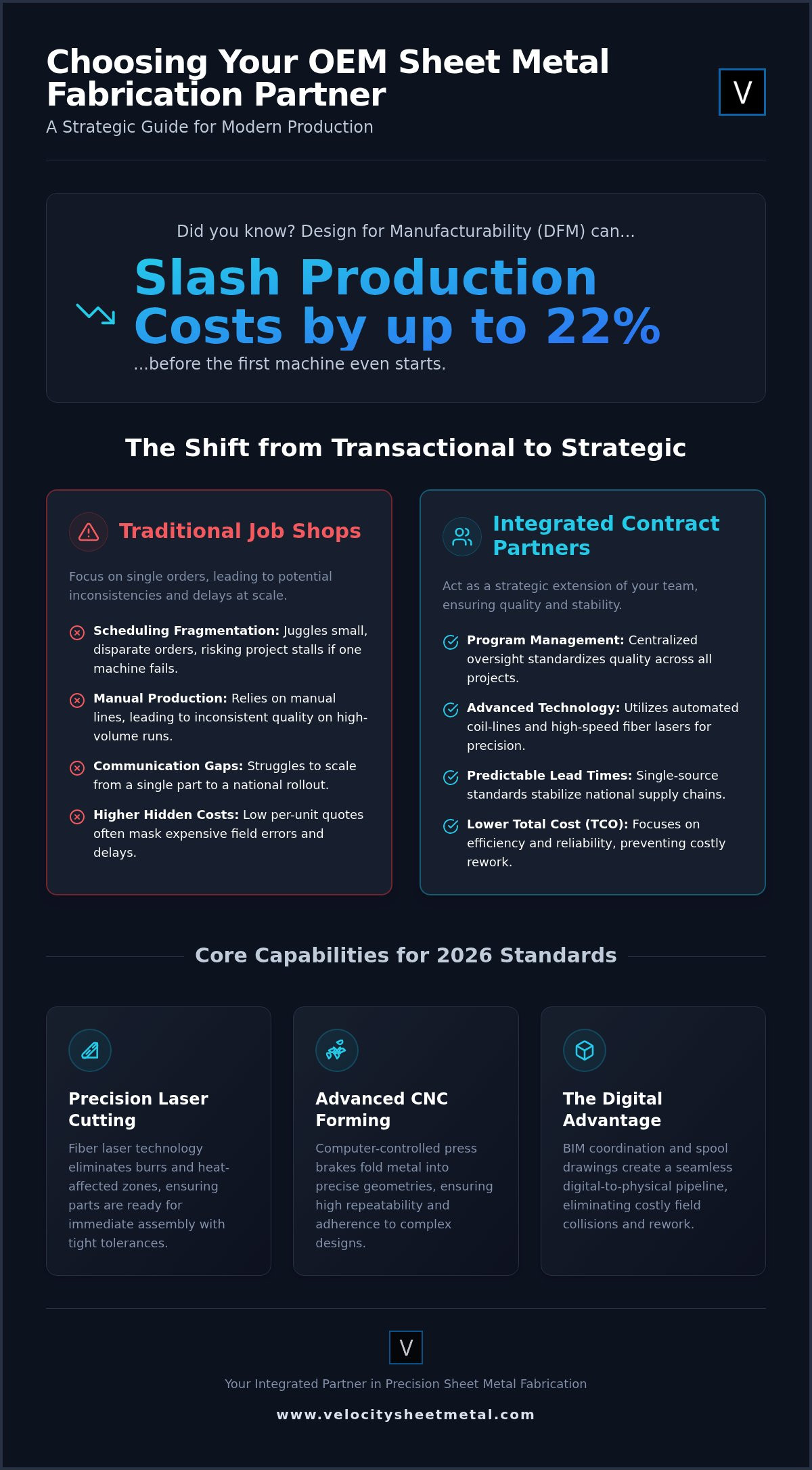
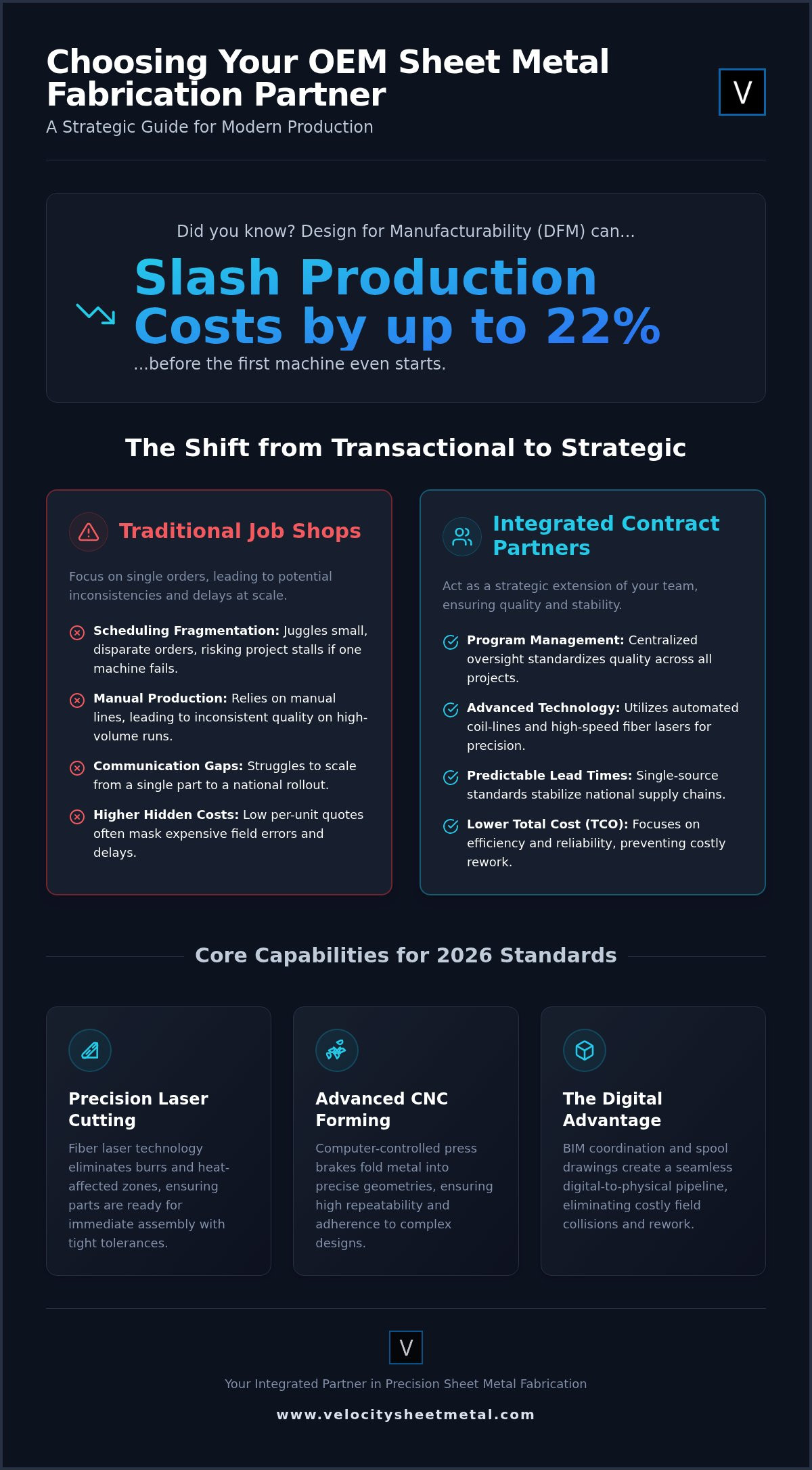
Did you know that Design for Manufacturability (DFM) optimization can slash your production costs by up to 22% before the first machine even powers up? Most OEMs are tired of fragmented supply chains that turn promising designs into logistical nightmares. You've likely dealt with the frustration of field collisions and lead-time delays that push your project off the rails. Finding reliable OEM sheet metal fabrication services shouldn't feel like a gamble with your bottom line.
We understand that you need more than just a vendor. You need an integrated partner who speaks the language of BIM and automated precision. This guide will show you how to evaluate and select a contract manufacturing partner capable of scaling your component production with surgical precision. We'll break down the essential 2026 standards, from updated AWS D9.1 welding codes to the latest CNC bending techniques. You'll learn how to bridge the gap between digital files and physical products while maintaining predictable national lead times. It's about moving your project from the screen to the site without the typical administrative friction. Let's get to work.
Key Takeaways
- Learn to distinguish between transactional job shops and strategic contract partners to ensure long-term production stability.
- Evaluate OEM sheet metal fabrication services based on technical capabilities like fiber laser precision and CNC press brake repeatability.
- Discover how BIM coordination and spool drawings eliminate field collisions by creating a seamless digital-to-physical production pipeline.
- Assess manufacturer capacity and single-source standards to maintain predictable lead times for high-volume national accounts.
- Identify how automated production workflows, such as coil-line rectangular duct fabrication, maximize efficiency and reduce material waste.
Evaluating OEM Sheet Metal Fabrication: Job Shops vs. Contract Partners
The industrial landscape has fundamentally shifted. Traditional job shop orders are no longer sufficient for complex, high-stakes projects. Modern production demands a move from transactional purchases to strategic contract manufacturing partnerships. You aren't just buying components; you're securing a critical link in your supply chain. High-quality Sheet metal fabrication requires more than basic machinery. It demands a digital-to-physical pipeline that manages the entire lifecycle of a component, from the initial digital prototype to a national rollout. The shift toward strategic reliability is the only way to maintain a competitive edge in OEM sheet metal fabrication services.
Standard fabrication often falls short of the precision required for 2026 industrial standards. When your project involves intricate HVAC systems or medical equipment, "close enough" is a recipe for field collisions. Contract manufacturing stabilizes national supply chains by providing a single, repeatable standard of quality. This model eliminates the variability that plagues fragmented vendor networks. A dedicated partner acts as the essential bridge between your design file and the tangible product, cutting through administrative delays and technical gaps with industrial pragmatism.
The Limitations of Traditional Job Shops
Traditional job shops often struggle with scheduling fragmentation. They juggle small, disparate orders without the support of automated fallback systems. If one machine goes down, your project stalls. These shops frequently rely on manual production lines, which leads to inconsistent quality control across high-volume runs. Communication gaps become glaringly obvious when you try to scale. Moving from a single part to a national rollout requires a level of process control that most local shops simply cannot provide. You need predictable delivery, not a series of custom workarounds that drain your time and budget.
Defining the Integrated Contract Manufacturing Model
The integrated model for OEM sheet metal fabrication services centers on program management. Quality is standardized across every project through centralized oversight. You gain immediate access to advanced technology, such as automated coil-lines for rectangular duct and high-speed fiber lasers. This model prioritizes the Total Cost of Ownership (TCO) over the lowest initial unit price. While a job shop might quote a lower per-part cost, an integrated partner reduces the expensive hidden costs of field errors and lead-time delays. We focus on efficiency, reliability, and technical capability to ensure your components integrate seamlessly the first time. It's a "can-do" approach grounded in modern manufacturing reality.
Core Capabilities: Precision Laser Cutting and CNC Forming
Execution is where design meets reality. To deliver high-performance OEM sheet metal fabrication services, a partner must master the physical properties of diverse materials. Whether it's the corrosion resistance of galvanized steel or the weight-to-strength ratio of aluminum alloys like ASTM B209, material choice dictates the fabrication approach. Industry standards set by the Fabricators & Manufacturers Association (FMA) emphasize that technical capability is the backbone of any contract partnership. You need a partner who understands how different alloys react to heat and pressure to ensure the structural integrity of every component.
Precision Laser Cutting for Industrial Components
Fiber laser technology has revolutionized edge quality and production speed. It eliminates the burrs and heat-affected zones common in older CO2 systems. For OEMs, this means parts are ready for assembly immediately after cutting. We achieve tight tolerances for intricate HVAC transitions and complex industrial brackets with surgical precision. High-speed lasers also allow for rapid prototyping. You can move from a digital concept to a physical part in hours, not days. This agility is essential for on-demand production and keeping your supply chain lean. For a deeper look at these technical specifications, see our precision laser cutting services guide.
Advanced CNC Metal Forming and Bending
Precision bending is the second pillar of high-tier fabrication. CNC press brake bending is the process of using computer-controlled hydraulic rams to fold sheet metal into specific geometries, ensuring 2026 precision standards of +/- 0.010 inches across high-volume runs. This level of repeatability is vital for heavy-gauge components that require absolute consistency. Automated tool changes reduce setup times significantly. This allows us to switch between diverse part runs without the delays typical of manual shops. It keeps your project moving at the speed of modern business. By maintaining these strict tolerances, we ensure that every bracket and panel fits its intended assembly without the need for field adjustments.
Consistency across stainless steel and cold-rolled steel (ASTM A1008) ensures that every component performs as engineered. When your production relies on these core capabilities, you eliminate the risk of field collisions and wasted material. If you're ready to see how these automated processes can benefit your next project, explore our custom laser cutting and forming solutions today. We focus on delivering the accuracy you need to scale your production without the typical manufacturing bottlenecks.
The Digital Advantage: BIM Coordination and Spooling
Efficiency begins in the digital environment. Building Information Modeling (BIM) is more than just a 3D visualization tool. In the context of OEM sheet metal fabrication services, BIM is a data-rich workflow that connects the designer's intent directly to the factory floor. It integrates geometry, spatial relationships, and geographic information into a single source of truth. This prevents the guesswork that often leads to scrapped parts and project delays. High-tier contract manufacturing depends on this digital-to-physical pipeline to ensure every cut and bend is verified before a single sheet of steel is loaded onto the laser bed.
Design for Manufacturability (DFM) serves as the cornerstone of this process. Research shows that DFM optimization can lead to average cost savings of 12-22% before the first production run. By analyzing the design through the lens of automated capabilities, we identify potential issues early. This isn't just about reducing costs. It's about ensuring that complex HVAC components or OEM parts can be manufactured repeatedly with surgical precision. It's the difference between a part that theoretically works and one that is optimized for high-volume production lines.
Preventing Field Collisions with BIM Clash Detection
Field collisions are the primary cause of budget overruns in commercial HVAC projects. When ductwork interferes with electrical conduits or structural beams, the resulting downtime is expensive. 3D modeling and automated clash detection allow us to identify these interferences in a virtual environment. Resolving a design flaw in the model costs a fraction of what it costs to fix it on-site. This proactive approach ensures that the physical components delivered to your site fit perfectly within the building's existing systems. For a detailed breakdown of this process, see our guide on BIM clash detection for HVAC fabrication.
Spooling Services for Mechanical Contractors
Digital models are only useful if they can be translated into actionable instructions. Spool drawings bridge the gap between complex CAD models and the shop floor. These detailed drawings break down large systems into manageable sections optimized for fabrication and transport. Mechanical spooling services streamline the handoff from engineers to production, ensuring that every assembly is labeled and ready for rapid on-site installation. This reduces labor hours in the field and minimizes the risk of installation errors. Integrating these digital insights is a core part of modern design for manufacturability sheet metal workflows.
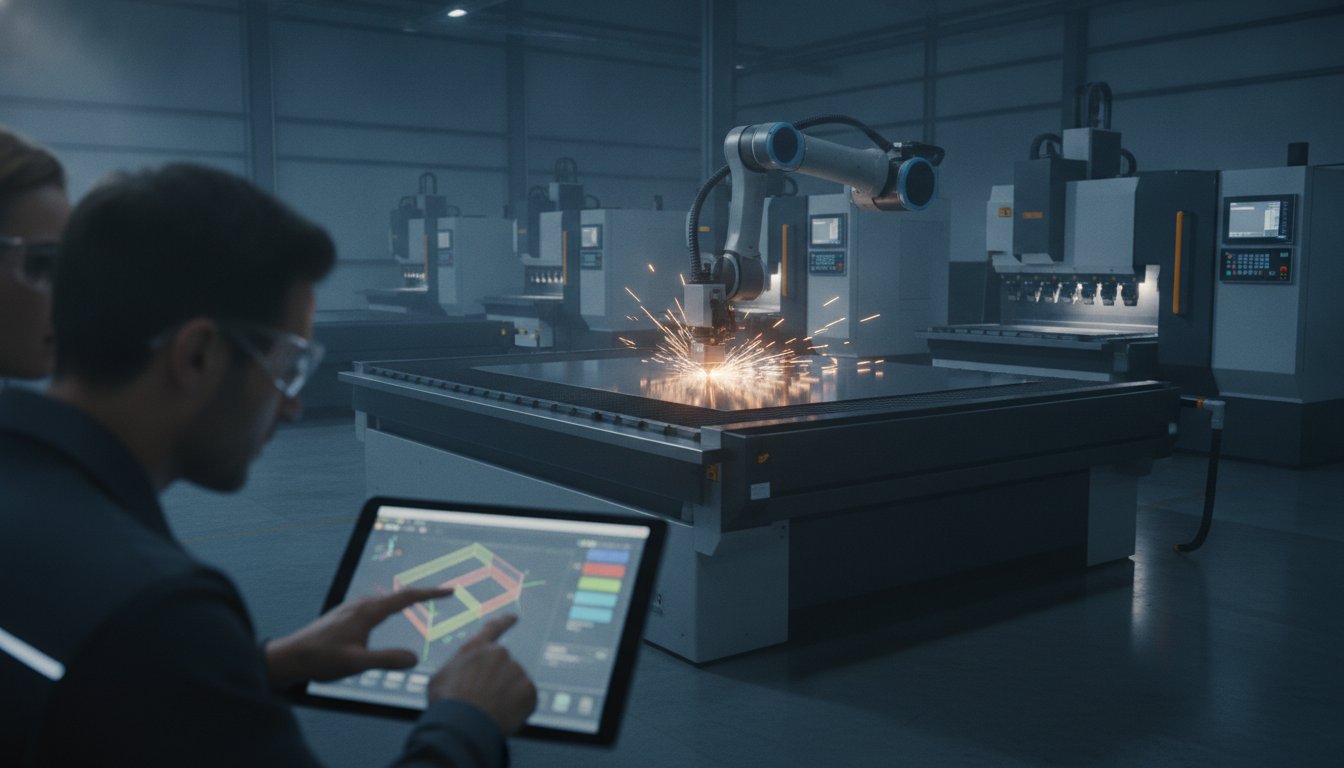
Modern OEM sheet metal fabrication services must integrate BIM data directly with fabrication machinery. Our automated systems read digital files to set laser paths and bending sequences with zero manual translation. This eliminates the risk of human error during the programming phase. You get a component that matches your digital file exactly, every single time. It's about speed, accuracy, and a controlled production environment that scales with your needs.
Assessing Scalability and Logistics for National Accounts
Scalability in 2026 is defined by the ability to maintain a single production standard across a massive geographical footprint. Many OEMs rely on fragmented supplier networks, but this approach often leads to inconsistent quality and communication breakdowns. When you're managing a national rollout, a single-source partner for OEM sheet metal fabrication services is essential. It ensures that a part manufactured for a site in one part of the nation matches the exact specifications of a component delivered to another. Domestic manufacturing has become the reliable choice for modern supply chains, offering a transparent alternative to the geopolitical risks and volatile lead times associated with overseas sourcing. While international options might offer lower initial unit costs, the total cost of ownership favors domestic partners who can pivot quickly to meet shifting demand.
High-volume production requires more than just a large facility. It demands a sophisticated logistical framework. On-demand production models allow you to reduce warehousing costs by fabricating components exactly when they're needed. This lean approach minimizes capital tied up in inventory and reduces the risk of part obsolescence. For national accounts, this agility is a competitive necessity. We focus on creating a seamless flow from the production line to the job site, ensuring that your project stays on schedule regardless of its scale.
Standardizing Production Across National Rollouts
Consistency across thousands of units is only possible through automation. Every component, from custom curb adapters to complex rectangular ducts, must meet rigorous industrial specifications without deviation. Automated coil-lines play a pivotal role here by removing the variability inherent in manual fabrication. This technology allows for the rapid production of high-volume HVAC components while maintaining tight tolerances. By standardizing these processes, we eliminate the quality "drift" that often occurs in fragmented supply chains. You can learn more about how this technology drives efficiency in our guide to coil line duct fabrication.
National Shipping and On-Demand Fulfillment
Logistics for large-scale industrial parts require specialized expertise. National distribution of oversized sheet metal parts requires a logistical framework that prioritizes freight optimization and protective crating to prevent transit damage. We've refined our shipping processes to ensure custom components reach their destination across the US efficiently. This capability allows mechanical contractors and OEMs to bypass local supply bottlenecks. By leveraging a partner with established national shipping lanes, you gain predictability in your project timelines. It's about getting the right part to the right site at the right time, every time.
If you're looking to stabilize your supply chain and secure predictable lead times for your next major project, contact us for a national account consultation. We provide the infrastructure and technical expertise needed to scale your production with surgical precision.
Velocity Sheet Metal: Standardizing Production for HVAC and OEM Partners
Velocity Sheet Metal bridges the gap between digital design and physical delivery with industrial pragmatism. We transform complex BIM data into precise physical components using a workflow built for speed. With over 50 years of combined industry experience, our team acts as the essential bridge between your digital files and a tangible product. We specialize in OEM sheet metal fabrication services that prioritize efficiency and reliability above all else. Every project moves through a methodical production line. We move your project from the initial digital concept to the final physical result with surgical precision.
Our facility acts as a tech-savvy extension of your own shop floor. We've embraced modern technology to solve traditional industrial problems like lead-time delays and communication gaps. By cutting through the administrative noise, we get your production line moving immediately. We are obsessed with detail and delivery because we value your time as much as our own. This "can-do" attitude is grounded in modern manufacturing reality rather than marketing hype.
Automated HVAC Ductwork Solutions
Large-scale projects require the power of automation to stay on schedule. Our automated coil-line for rectangular duct production maximizes efficiency by reducing manual labor and material waste. This system handles everything from decoiling and leveling to bead-crimping and notched-corner cutting in one continuous motion. This technology allows us to produce high volumes of standardized ductwork with consistent quality. Beyond rectangular options, we provide spiral and round duct and fittings to meet diverse industrial airflow requirements. Commercial contractors benefit from a significant speed advantage. Our automated systems cut production times significantly compared to traditional manual shops. We deliver the accuracy you need for complex HVAC systems without the typical manufacturing bottlenecks.
A Partner for Contractors, Engineers, and OEMs
National accounts trust Velocity because we provide standardized quality across every shipment. Our dedicated program management ensures that your specifications are met whether you need a single custom curb adapter or a thousand custom mounting brackets for industrial equipment. We handle the technical review and logistics so you can focus on the bigger picture. Our national US shipping capabilities mean your components arrive on-site, ready for installation. This reduces field collisions and minimizes expensive labor hours in the field.
Starting your next project with our precision manufacturing team is a straightforward process. We maintain total transparency and process control from the initial spool drawings to final delivery. Our goal is to provide a controlled, predictable, and repeatable manufacturing experience for every OEM partner. Reach out to Velocity Sheet Metal today to integrate our automated technology into your next project. Let's get to work.
Scaling Your Production with Surgical Precision
Modern manufacturing moves fast. You can't afford fragmented supply chains or field collisions that drain your project budget. This guide has detailed how transitioning from transactional job shops to integrated contract partnerships stabilizes your entire production pipeline. High-tier OEM sheet metal fabrication services now demand a seamless digital-to-physical workflow. By combining the expertise of BIM coordination with the speed of automated coil-line production, you eliminate waste and ensure every component fits perfectly the first time. It's about moving from a complex digital file to a tangible, high-quality product without the typical administrative friction.
Velocity Sheet Metal provides the technical rigor and national shipping capabilities required to scale your project across the US. We're ready to act as your tech-savvy partner on the factory floor. Don't let supply chain gaps or lead-time delays slow your momentum. Get a Production Quote from Velocity Sheet Metal and experience the precision of a controlled, repeatable manufacturing process. Let's build a more efficient future together.
Frequently Asked Questions
What is the difference between a job shop and a contract manufacturer for sheet metal?
Contract manufacturing focuses on long-term program management while job shops typically handle transactional, one-off orders. Our OEM sheet metal fabrication services prioritize standardized quality across national accounts to eliminate the variability found in fragmented vendor networks. You gain a reliable partner who manages the entire lifecycle from digital prototype to mass production. It's about securing your supply chain rather than just buying a single part.
How does BIM coordination improve the sheet metal fabrication process?
BIM coordination creates a high-fidelity digital twin that identifies spatial conflicts before any metal is cut. This proactive approach eliminates field collisions between HVAC ductwork and other building systems like electrical or structural components. It bridges the gap between digital design and physical delivery with surgical precision. Resolving a design flaw in the model costs a fraction of the price of a field fix.
Can you ship custom sheet metal components nationwide across the US?
Yes, we provide national US shipping for all custom components and assemblies. This includes oversized items like curb adapters and high-volume rectangular ductwork. We optimize freight logistics and use protective crating to ensure every part arrives on-site ready for immediate installation. Our framework is designed to bypass local supply bottlenecks and maintain predictable lead times regardless of your project's location.
What materials can be used in precision laser cutting for industrial parts?
We process a wide range of industrial metals including aluminum alloys (ASTM B209), cold-rolled steel (ASTM A1008), stainless steel, and galvanized metals. Each material is selected based on your specific requirements for corrosion resistance, weight, or structural integrity. Our fiber laser technology ensures clean edges and tight tolerances across these diverse alloys. This versatility allows us to support everything from intricate brackets to heavy-duty HVAC transitions.
Why is automated coil-line production better for high-volume HVAC ductwork?
Automated coil-line technology removes the variability inherent in manual fabrication. It decoils, levels, notches, and beads rectangular duct in one continuous motion. This maximizes efficiency for high-volume OEM sheet metal fabrication services by reducing labor hours and material waste. You get a consistent, repeatable product that meets rigorous industrial specifications. It's the most reliable way to scale production for large-scale commercial projects.
Do you provide spool drawings for mechanical contractors?
Yes, we translate complex CAD models into actionable spool drawings for the shop floor. These drawings break down large, complex systems into manageable sections optimized for fabrication and transport. This process streamlines the handoff from engineering to production and ensures rapid, error-free assembly on the job site. It reduces labor hours in the field and minimizes the risk of expensive installation mistakes.
How does design for manufacturability (DFM) reduce total project costs?
DFM identifies potential production bottlenecks during the initial design phase. Optimizing parts for automated processes like CNC press brake bending or fiber laser cutting can reduce total costs by 12-22%. It prevents expensive redesigns and ensures components are manufactured repeatedly without manual workarounds. We analyze your digital files to find every opportunity for material savings and production efficiency before the first cut is made.
What are the typical lead times for custom HVAC curb adapters in 2026?
Lead times vary based on project complexity and current material availability in the 2026 market. We prioritize transparent communication and industrial pragmatism when quoting schedules. Our automated facility is designed for speed, allowing us to pivot quickly to meet urgent project demands. Contact our team directly for a specific quote that reflects current national shipping timelines and our immediate production capacity.